Blog

how to store wine

How to Properly Store Wine at Home: A Beginner’s Guide

How to Properly Store Wine at Home: A Beginner’s Guide 1200 628 Ante Palac

How to store wine?

Have you just bought an investment piece of wine and are looking at how to store it at home? Or maybe you are looking for ways to keep your open wines last longer?  In any way. Whether you are growing a collection or just wanting to extend your wine’s life in the best possible condition we will be sharing with you some tips on how to do so!

how to store wine at home

Why is it important to know how you store your wine?

As you are probably aware, wine can turn into vinegar if you are not careful with the environment it is stored in.

It doesn’t matter if you’ve got the finest of wines, if not stored properly it will spoil. On the other hand you can have a very affordable bottle of wine but with proper storage and you can allow the wine to last in years to come! 

Keep your wine in a cool environment

 You could have probably guessed the first tip, keep your wine in a cool temperature! What does this mean exactly? The Ideal temperature for wine storage is around 13 °C. The optimal temperature can vary slightly from wine to wine but should be kept close to this temperature.

Can the temperature be too cold? The answer is yes, specifically if the temperature is -4°C or lower. This will cause the wine to freeze.

On the other hand, if the temperature is 20°C or higher, it can rapidly increase the aging of the wine and compromise the structure and taste of wine. Wine becomes ‘cooked’ and the process can not be reversed.

Wine is very sensitive to temperature fluctuation, and you should put in effort to ensure it will be kept in a stable temperature with moderately cool temperatures.

How does light affect wine?

Believe it or not wine can get sun burnt as well! Light changes the smell of the wine and the flavor becomes unpleasant. Wine bottles should be kept outside of direct sunlight. This is one of the reasons why many wines are packaged in dark bottles which serve as protection from the UV light.

how light affects wine storage

Does this mean you need to drink your wine in the dark? Absolutely not. Wine simply should not be kept in the sun for a prolonged period of time. Additionally, LED lights you have at home do not emit UV rays and are safe for wine.

What is the best position for storing wine?

What is the best position for storing wine

Firstly, it is important to note that wine should be moved as little as possible. Every movement that can cause the wine to shake can affect its structure. Once you have acquired your wine, you should position it horizontally. This position will ensure that the cork of the wine will be hydrated. When the cork is hydrated it serves as a better divider from oxygen and keeps it from going into the bottle.

Think of wine cellars, all those wines are positioned horizontally for a bigger purpose, not just to save some space.

Does air humidity matter?

As mentioned previously, it is beneficial to have the wine cork in a humid environment to keep the oxygen out. If the environment is too dry or too high, it could damage the longevity of your wine.

Here are some guidelines to keep in mind:

·       Humidity between 50% and 70% is the optimal for wine storage

·       Humidity under 50% is too dry and can cause wine oxidation

·       Humidity over 70% is too high and can cause cultivation of mold

Any extremes in humidity will impact even the best of wines. Keep this in mind, especially if you are planning to store the wine for a prolonged period of time.

Should wine be stored in the fridge?

There are wine refrigerators on the market for a reason. Wine should ideally be kept in a temperature between 10 and 15 °C . However, most refrigerators are set to cool at a much lower temperature and often do not provide the needed level of humidity.

If you don’t have a dark cool and humid area to store your wine, a wine fridge could be a good investment to look into. Wine fridges are designed to be kept at the proper cooling and humidity level. Another benefit of having a separate fridge just for wine (other than showing your wine collection off to your friends) is that there is no cross-contamination or food smell stuck in your wine bottles.

Wine fridge

How to store open wine?

Once the wine is open, it is recommended to be consumed within 3 to 5 days. However, this only applies if the wine is kept in conditions described previously. In addition to this, here are some additional ways to extend the shelf life of your wine:

·       Recorking the bottle with the help of wax paper

·       Using a rubber wine stopper to seal the bottle

·       Using a wine vacuum pump to suck air out of the open bottle

After understanding the ideal conditions for temperature, humidity, and positioning, the best starting point would be for you to identify a dark, cool, and moderately humid place in your home. Once you’re ready to commit to wine storage, consider investing in a wine fridge to maintain optimal conditions and extend the wine’s shelf life.

How to Open a Bottle of Wine: Step-by-Step Guide

How to Open a Bottle of Wine: Step-by-Step Guide 1200 628 Ante Palac

How to open a bottle of wine is question we hear often that is because opening a bottle of wine can be a simple yet essential part of the wine experience. Doing it correctly not only preserves the wine’s integrity but also ensures that you can fully enjoy the aromas and flavors offered by the winery. This guide walks you through the steps to open wine like a true sommelier, along with tips to guarantee the best possible experience.

how to open a bottle of wine

Preparing to Open the Bottle

Wine Temperature

Before opening a bottle, make sure the wine is at the correct temperature. Red wines are typically served at room temperature (around 15-18°C), while white wines are best slightly chilled (8-12°C). Overly chilled wine may hide its aromas, while overly warm wine may emphasize its alcoholic notes. Sparkling wines and champagnes should be cooled to 5-8°C to ensure proper effervescence.

Positioning the Bottle

If the bottle was stored horizontally, place it upright several hours before opening. This allows any sediment to settle at the bottom, which is important for older red wines or those with natural particles. Also, avoid shaking the bottle to prevent unwanted bubbles or disturbed sediment, which could impact the wine’s texture and taste.

Cleaning the Bottle

Especially with older wines, it’s helpful to wipe the neck of the bottle before opening to remove any dust or residue. This ensures that the wine remains clean when poured, avoiding the introduction of dust or particles into your glass.

Choosing the Right Corkscrew

Types of Corkscrews

Opening the bottle of wine

There are many types of wine openers, and choosing the right one can greatly simplify the process. If you open wine frequently or have a collection with various types of corks, it may be worth trying different openers to find the best one for you.

  • Waiter’s Corkscrew: Also known as a “wine key,” it’s a favorite among professionals. It has a small knife for cutting the foil, a screw, and a lever that makes removing the cork easier. Most sommeliers prefer it for its compactness and practicality.
  • Screw Pull Corkscrew: This one features a screw and a handle. As you turn the screw into the cork, the handle helps extract it smoothly. Many find it easy to use, especially for beginners.
  • Air Pressure Corkscrew: This opener injects air beneath the cork, which then lifts out under pressure. It’s not recommended for older wines, as the pressure may damage the wine or break the cork.
  • Electric Corkscrew: These are becoming increasingly popular for their speed and simplicity. Just place the opener on the bottle and press a button. It’s great for frequent wine drinkers, as it saves time and effort.

Tips for Selecting the Right Opener

Beginners usually prefer screw pull or electric openers because they are straightforward to use. Wine enthusiasts are encouraged to practice with a waiter’s corkscrew for more control and a professional touch. For older wines with more delicate corks, choose openers with softer screws to prevent cork breakage.

Steps to Properly Open a Bottle of Wine

Professional opening the bottle of wine
  1. Removing the Foil
    The first step is to remove the foil covering the cork. Use the small knife on your opener to cut the foil just below the bottle’s lip. This ensures a smoother pour. Remove the foil and set it aside. Be sure to make a safe and clean cut.
  2. Positioning the Screw
    Place the screw in the center of the cork and carefully begin to turn it. Aim to insert the screw straight to reduce the risk of breaking the cork. Screw it in far enough to grip the cork but not so far that it punctures through the bottom, as this could release cork particles into the wine.
  3. Extracting the Cork
    Use the lever (or, with a screw pull opener, continue turning slowly) to gradually pull the cork out. Extract the cork slowly to avoid sudden movements that could cause it to break or the wine to spill. With a waiter’s corkscrew, use the first lever notch to pull the cork halfway, then switch to the second notch to fully extract it.

What to Do After Opening the Bottle

  1. Inspecting the Cork
    Once you have removed the cork, inspect it. It should be firm and slightly moist on the bottom. A dry, crumbly, or musty-smelling cork could indicate that the wine has spoiled. Checking the cork can give clues about the wine’s condition, such as signs of oxidation or spoilage.
  2. Preparing to Pour
    Now that the bottle is open, the wine is ready to be served. At this stage, some may choose to decant the wine, especially if it’s older or has sediment. Choose the appropriate glass for the type of wine—red wines benefit from wider glasses, while narrower glasses work well for whites, enhancing the wine’s aromas.

Decanting is particularly important for red wines aged over five years, as it allows for sediment removal and the release of complex aromas.

Tips for Beginners and FAQs

  1. What if the Cork Breaks?
    If the cork breaks while opening, carefully attempt to extract the remaining piece. If the cork crumbles into the bottle, you can filter the wine through a fine strainer while pouring. This is particularly useful with older wines that may have brittle corks.
  2. How to Store an Opened Bottle?
    Opened wine oxidizes quickly, impacting its flavor. To maintain freshness, re-cork the bottle and store it in the fridge. Red wines can last 3-5 days when refrigerated, while whites and sparkling wines have a shorter shelf life. Vacuum stoppers that remove air from the bottle can also slow down oxidation.
  3. How to Handle Screw Caps?
    Screw caps are increasingly popular for their convenience and ability to preserve freshness. Although they lack the tradition of corks, they are easy to use and reseal, extending the wine’s longevity.
  4. Dealing with a Musty Cork Smell
    If the cork smells moldy or like wet cardboard, the wine may be “corked,” a term for wine tainted by TCA (trichloroanisole). If you encounter this in a restaurant, feel free to ask for a replacement bottle.
  5. Opening Sparkling Wine and Champagne
    Sparkling wines require a different approach because of the pressurized contents. Chill the bottle well before opening (5-8°C or 41-46°F). Point the bottle away from people and valuables. Loosen the wire cage while keeping a firm grip on the cork. Slowly twist the bottle (not the cork) to release it gently, aiming for a quiet hiss rather than a loud pop.

Steps to Open Sparkling Wine Safely:

  • Remove the foil.
  • Ensure the bottle is facing away from people or anything fragile.
  • Place your thumb over the cork and loosen the wire cage.
  • Keep one hand on the cork and twist the bottle with the other.
  • Release the cork slowly, aiming for a gentle sigh rather than a forceful pop.
  • Pour the wine slowly to avoid overflowing, filling each glass about two-thirds full.

Opening a bottle of wine can be a moment of enjoyment, and following the right steps enhances this experience. Preparation, the correct corkscrew choice, and proper handling of the cork will help you savor the wine at its best. Whether you are a novice or an experienced wine lover, this guide ensures every bottle opening is a step toward savoring the rich flavors and aromas.

THE WORLD OF RED WINES EXPLORED

Navigating the World of Red Wines

Navigating the World of Red Wines 1200 628 Ante Palac

The world of red wines can seem intimidating, with a wealth of information that’s often hard to process. That’s why we bring you this easy, stress-free guide to help you navigate the world of red wines. From understanding wine bodies and choosing the right flavors to explaining aging secrets and regional influences, we’ll break down everything you need to know to make confident and informed choices. Dive in and discover your perfect red wine match!

Exploring the Different Types of Red Wines

Red wine is a world of diversity, with over 50 different types to explore and enjoy. Wines are raging from the bold heavy reds to lighter, fruity styles. We can guarantee there is something for every person to find depending on the occasion. With so many options available, let us be your guide on where to start and how to choose the perfect red wine for you.

If you’ve ever wondered what makes one red wine “smooth” while another is “dry” or “sweet, don’t worry, we’ll break it down for you so on your next wine conversation you can showcase your expertise and pass the knowledge on.

Red wine poring from the bottle to the glass.

How Can a Wine Chart Help Me Choose the Right Wine?

Choosing wine can be both a fun but also confusing process if you are not sure what you are looking for. There are many different styles and options and it’s easy to get decision fatigue. So let’s keep our focus on some key elements.

When you look at a wine chart, you’ll see descriptions of the body, style, tannin levels, acidity, and more. These descriptors can help you pick a wine that suits your taste, meal, or occasion.

Wine Body: Understanding Weight and Texture

The body of a wine refers to how it feels in your mouth, which is mostly influenced by the alcohol content and grape variety. Here’s a quick guide to help you match the body of a wine with the right dishes:

world of red wines - dark red wine and bottle
  • Light-bodied wines (alcohol content below 12.5%) are delicate and often crisp. They pair well with light dishes like salads, seafood, and fresh fruits.
    Examples: BARUN MARQUIS PINOT, Gamay
  • Medium-bodied wines (alcohol content between 12.5% and 13.5%) offer a balance of flavor and structure, making them versatile and perfect for pairing with most foods.
    Examples: Merlot, Cabernet Franc
  • Full-bodied wines (alcohol content above 13.5%) are rich and robust, often ideal with red meats, hearty stews, or strong cheeses.
    Examples: Malbec, Syrah, Petite Sirah, Cabernet Sauvignon

Red Wine’s Ageability: The Secret to Long-Lasting Flavors

Red wines aging in the wine cellar

One of the arguably best and most fascinating aspects of red wine is its potential to improve with age. However, aging wine isn’t as simple as buying a bottle and leaving it on your kitchen cabinets for a couple of years. To age well, red wine must be kept in specific conditions: in a cool, dark place, with consistent temperature and humidity levels. Storing red wine too warm can “cook” the wine, causing the fruit flavors to become mushy and overripe. Additionally, red wines are usually bottled in tinted glass (green or brown) to protect them from harmful UV rays, which can also degrade the wine over time.

While full-bodied wines tend to age better due to their higher tannin levels, light-bodied wines should be consumed sooner, as they age more quickly.

Do Wines Have Spice?

Spice is not something you think of when red wine is mentioned but Yes! Many red wines have spicy notes. The flavors often come from a combination of factors such as alcohol content, acidity, grape variety, and the fermentation process. Wines with higher alcohol and acidity levels tend to have a spicier, more peppery finish.

Spicy Red Wine Examples:

  • Zinfandel
  • Chianti
  • Syrah

Wine Color: What Does It Really Tell You?

You might think the color of a wine is just for aesthetics, but it actually tells you a lot about the wine’s structure and age. Here’s a look at what different shades of red wine can indicate:

  • Light Red Wine Color

Lighter red wines tend to come from grape varieties with thinner skins and lower pigment concentrations. These wines are often higher in acidity and can age faster due to their lighter structure.

Examples: Pinot Noir, Gamay (Beaujolais), Grenache, Teran, Frankovka, Pošip (Red Expression)

  • Dark Red Wine Color

Darker red wines come from grapes with thicker skins and higher levels of color compounds (anthocyanins). These wines are typically lower in acidity and have more tannins, which allows them to age longer and develop complex flavors over time.


Examples: Cabernet Sauvignon, Syrah/Shiraz, Malbec, Zinfandel, Babić, Dingac

How Does Region Affect Wine?

The region where wine is grown will significantly affect the flavor. Different climates, soil types, and winemaking techniques all contribute to the uniqueness of the wine.

In essence, a wine’s terroir (the environment where the grapes are grown) plays a major role in shaping its taste and quality. Even the same grape variety, from the same region can vary in taste from year to year depending on the climate conditions of the region. So, next time someone says, “All Pinot Noir tastes the same,” you can confidently point out that climate, soil, and vineyard practices influence the wine’s personality!

What is a Sweet Red Wine?

A sweet red wine is simply one where there is more residual sugar left after fermentation. The sweetness can vary depending on the grape variety and winemaking techniques used. Some sweet red wines are made by fermenting concentrated juices, while others use methods like noble rot (Botrytis cinerea) to shrivel grapes and concentrate their sugars. Fortified wines, like Port, have added grape spirits that halt fermentation, leaving a higher level of residual sugar.

Examples of Sweet Red Wines:

  • Port-Style Wines (often made from Plavac Mali)
  • Trnjak (a Croatian grape variety)
  • Zlatan Plavac (Sweet Version)
  • Frankovka (Sweet Version)
  • Plavac Mali Late Harvest
  • Prošek Riserva

Fun Red Wine Facts to Share at Your Next Tasting

Here are a few fun facts to impress your friends at your next wine gathering:

  • Cabernet Sauvignon is the most planted grape variety in the world.
  • Red wine gets its color from the skins of the grapes, not from the flesh, which is usually clear.
  • Red wine contains melatonin, which can help regulate your sleep cycle. So, drinking a glass before bed might just help you relax and sleep better (but don’t overdo it!).

Wrapping It Up

Now that you’re armed with a little more knowledge about red wine, it’s time to explore and experiment! With so many styles, regions, and variations, red wine offers an endless array of tastes and experiences. The next time you’re at the wine shop or enjoying a glass with dinner, you’ll be ready to make a confident choice. What will you try next? Let us know!

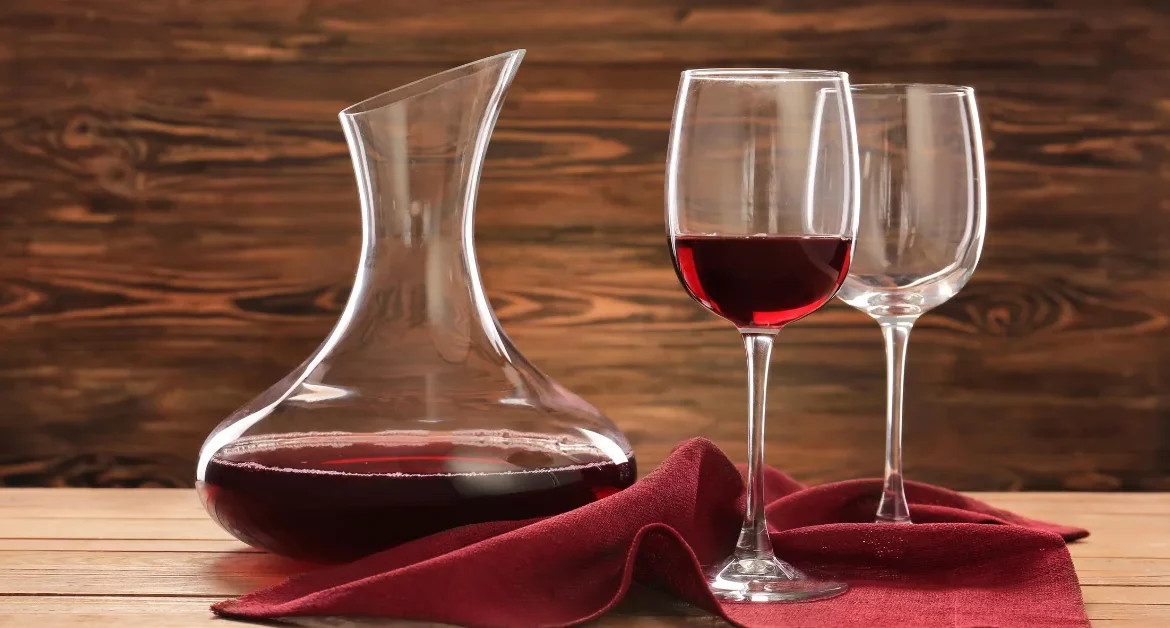
Red Wine decanting in decanter

How to Decant Wine: When It’s Necessary and How to Do It Properly

How to Decant Wine: When It’s Necessary and How to Do It Properly 1200 628 Ante Palac

Decanting wine is a process that, while seemingly simple, can significantly impact the taste and aroma experience. Whether you are a passionate wine enthusiast or just beginning your journey into the world of oenology, understanding decanting can help you fully enjoy the characteristics of certain wines. In this guide, we’ll explain when decanting is necessary, how to do it properly, and which mistakes to avoid.

What is Wine Decanting?

Decanting is the process of pouring wine from its bottle into a special glass vessel or decanter. This procedure has two main goals: removing sediment that may have accumulated in the bottle, especially in older wines, and aerating the wine to enhance aromas and soften tannins. Aeration allows the wine to come into contact with oxygen, which helps reveal the full flavors and scents that may be hidden when the wine is still in the bottle.

Decanting isn’t always necessary for every wine but can improve the experience of certain types, especially red wines and wines that have been aged for a long time. Some wine lovers consider decanting a way of “waking up” the wine, allowing it to fully “bloom” before tasting.

When Should You Decant Wine?

Decanting is particularly useful for specific wines and in certain situations. Here’s when it’s best to reach for a decanter:

Older Red Wines 

 For older red wines, especially those aged for ten or more years, sediment often forms at the bottom of the bottle. This sediment isn’t harmful, but it can affect the wine’s texture and taste if accidentally poured into the glass. Decanting carefully separates the wine from the sediment, ensuring a cleaner and more pleasant flavor.

Wine decanting in decanter

Younger Red Wines


Younger red wines, such as Cabernet Sauvignon, Syrah, or Tempranillo, can have pronounced tannins and intense flavors. Aeration helps to soften these characteristics and develop more complex aromas. For these wines, decanting allows quicker maturation that would otherwise occur over years in the bottle.

White Wines


Although rare, certain white wines can also benefit from decanting, particularly if they are complex and rich in aroma, such as oaked Chardonnay. Decanting can help open up the aromas while eliminating any harsh odors from fermentation.

Natural Wines and Unfiltered Wines


Natural or unfiltered wines often contain particles in the bottle, and decanting helps remove these impurities, improving the wine’s clarity in the glass. Additionally, natural wines often have unusual aromas that can balance out through decanting.

How to Properly Decant Wine

The decanting process is simple but requires attention. Here are the steps you should follow:

Preparing the Bottle

If the wine is older and you expect sediment, it’s recommended to stand the bottle upright for several hours before decanting. This allows the sediment to settle at the bottom, making it easier to separate the wine during pouring.

Choosing a Decanter

 Decanters come in various shapes and sizes. Larger and wider decanters are suitable for younger wines as they allow more surface area of the wine to contact oxygen. For older wines, which are more delicate and do not require prolonged exposure to oxygen, a smaller decanter with a narrower neck is recommended.

Wine decanting, pouring wine in the decanter

The Decanting Process

  • Open the bottle of wine and, if necessary, remove any cork residue or dirt from the rim.
  • Slowly tilt the bottle and gently begin to pour the wine into the decanter. Aim to pour the wine in a thin, continuous stream to minimize mixing with the sediment.
  • Stop pouring when you notice sediment near the neck of the bottle. At this point, it’s best to cease pouring to prevent any particles from entering the decanter.

Decanting Time

How long should you leave the wine in the decanter? It depends on the type of wine:

  • Younger Red Wines: Usually need 1 to 2 hours of aeration.
  • Older Wines: Often need only a few minutes before serving, as they can quickly lose their aroma.
  • White Wines: Decant for about 30 minutes, although this depends on the specific wine.

Additional Tips for Decanting

Sometimes it’s helpful to use a candle or another light source when decanting, especially with wines that have a lot of sediment. Place the candle beneath the neck of the bottle as you pour into the decanter. This makes it easier to spot sediment and stop pouring in time. This approach is particularly useful for more expensive or aged wines where avoiding sediment in the decanter is crucial.

Common Mistakes When Decanting

Decanting is simple, but mistakes can impact the wine’s final impression. Some of the most common errors include:

Over-decanting

Older wines are sensitive to prolonged oxygen exposure, which can lead to loss of flavor and aroma.

Rough pouring

Pouring the wine too forcefully can mix the sediment into the decanter.

Wrong choice of decanter 

An inappropriate decanter can over-aerate or under-aerate the wine, affecting its taste.

Decanting cold wine

Decanting wine that is too cold can mask its aromas. The wine should be at the optimal temperature before decanting.

Conclusion

Decanting wine can be a delightful ritual that enhances your wine experience. While not necessary for every wine, the proper decanting approach can improve the aroma, texture, and taste of certain varieties. Experiment with decanting different wines, observe how the aromas evolve, and enrich your tasting experience.

In practice, decanting offers an opportunity to connect with the wine on a deeper level—exploring each layer of flavor and scent and understanding how the wine “breathes” and transforms. By decanting, you uncover hidden nuances and characteristics, making every experience a unique story in a glass. The next time you open a favorite bottle, consider decanting and let the wine “breathe”—you may discover new aromas and flavors that you’ve never noticed before.

Debunking wine myths

Wine Myths: Debunking Common Misconceptions

Wine Myths: Debunking Common Misconceptions 1200 628 Ante Palac

Wine myths are common in the wine world, creating confusion for both new and seasoned wine lovers. Over centuries, wine has developed a host of customs, rules, and unwritten norms—many of which are misunderstood. Here, we’ll debunk some of the most common misconceptions about wine and uncover the truth behind them!

1. The Older the Wine, the Better

One of the most widespread myths is that older wines are of higher quality. The truth is, most wines on the market aren’t meant for long aging. Only specific types of wine—mainly those with high tannin or acidity levels—benefit from extended aging. This includes some red wines (like Cabernet Sauvignon or Syrah) and certain whites (like aged Riesling or oak-matured Chardonnay). Most wines are crafted for consumption within a few years of harvest, and prolonged storage can actually result in a loss of freshness and flavor. Holding onto these wines too long may lead to disappointment when you finally open that long-awaited bottle.

2. White Wine is Served Cold, Red Wine at Room Temperature

    While it’s generally true that white wine is served cooler than red, ideal serving temperatures are more nuanced. Light whites and sparkling wines are best served at 8-10°C (46-50°F), while fuller-bodied whites, like Chardonnay, are best enjoyed at slightly warmer temperatures around 10-12°C (50-54°F). Red wines, on the other hand, are ideally served at 16-18°C (60-64°F), which is cooler than room temperature. Proper temperature brings out a wine’s aroma, flavor, and texture. So if you find yourself enjoying a red wine at a summer restaurant, don’t hesitate to ask for an ice bucket to slightly cool it down.

    White and Red Wine at Room Temperature – Debunking Wine Myths

    3. More Expensive Wine is Always Better

    Price doesn’t necessarily reflect quality. Wine pricing is influenced by many factors, including brand, region, distribution, and marketing costs. Some affordable wines can provide an excellent experience, while certain high-priced wines may fall short of expectations. Wine quality depends on balance, aroma, and character. The best way to discover your favorite wines is by tasting and exploring your own preferences.

    4. Screw-Cap Wines are Lower Quality

      Screw caps are becoming increasingly popular, especially in countries like Australia and New Zealand, due to their reliability in preserving freshness and preventing oxidation. Unlike corks, screw caps eliminate the risk of cork taint, which can sometimes spoil a wine, and also prevent the bottle from drying out or breaking during opening. Screw-capped bottles don’t need to be stored horizontally, either. Ultimately, a wine’s quality depends on its production method and type, not the type of closure.

      5. Only Red Wines Should be Decanted

        Decanting—pouring wine into a decanter to aerate it—is often associated with red wines, especially aged reds. However, some white wines with complex structures, such as aged Chardonnay, can also benefit from decanting to release deeper aromas. Remember, aeration depends on the wine’s type, not its color.

        Wine Myths – Decanting White Wine

        6. Red Wine Doesn’t Pair with Fish, and White Wine Doesn’t Go with Red Meat

        Food and wine pairing rules are increasingly flexible. Light reds like Pinot Noir can pair beautifully with fish like salmon, while rich whites, like Chardonnay or aged Sauvignon Blanc, can complement game carpaccio or pork. The key is balancing flavors in the dish and the wine rather than sticking strictly to red and white pairings.

        7. Wine Shouldn’t be Chilled in the Freezer

          Many wine enthusiasts avoid quick-chilling wine in the freezer, but there’s no real reason not to. If you need to cool a bottle quickly, placing it in the freezer for 20 minutes can help achieve the perfect temperature without affecting the wine’s taste or aroma. Just be careful not to leave it too long. Ultimately, enjoy wine at whatever temperature suits you best.

          8. Darker Wines Have More Intense Flavors

            Wine color, especially for reds, often leads to assumptions that darker wines are bolder. But color is influenced by grape variety, maceration, and aging, not necessarily flavor intensity. For example, Pinot Noir is a light red wine with a pale color, yet it can have a complex taste profile, while some darker wines can taste more delicate.

            Dark Wine, Red Wine with Intense Flavor

            9. Higher Alcohol Wines are Lower Quality

            Alcohol content doesn’t dictate a wine’s quality. Alcohol levels depend on the amount of sugar in the grapes, which converts to alcohol during fermentation. Wines from warmer regions, like parts of Australia or California, often have higher alcohol content due to the ripeness of the grapes. Climate change has led to wines that once had lower alcohol levels now having more. True quality lies in the balance of alcohol, acidity, tannins, and aromas, not merely alcohol strength.

            10. Wine Labels Reveal Quality

              While wine labels provide useful information, they can sometimes mislead consumers. Label design doesn’t reflect quality; it may simply be a marketing tool to catch your eye. Understanding basic information on the label, like grape variety, region, and vintage, is helpful, but tasting is still the best way to judge a wine.

              Examining a Wine Label to Uncover Information

              Conclusion

              The wine world is filled with myths and misconceptions that can lead to misguided ideas. Many of these myths can limit your ability to fully enjoy and explore wine. The real beauty of wine lies in its diversity and the richness of flavors and aromas that vary depending on grape variety, region, climate, and production style.

              Choose wines that intrigue you, experiment with various food pairings, and don’t be afraid to try new wines that might not immediately appeal to you. Breaking free from traditional rules and following your own preferences can open the door to exciting discoveries. Wine is a personal experience, and what might be perfect for someone else might not suit your taste. Ultimately, wine should be a pleasure without rules—a chance to connect with others and celebrate life’s moments. Enjoy each sip and allow yourself to explore the rich world of wine without limitations!

              What is Terroir and How Climate Affects the Taste of Wine

              What is Terroir? How the Environment Influences the Taste of Wine

              What is Terroir? How the Environment Influences the Taste of Wine 1200 628 Ante Palac

              Have you ever wondered how wines made from the same grape variety can have such different aromas, flavors, and nuances? The answer lies in terroir – a concept every wine lover should understand more deeply. Every wine hides a story about the soil, sun, winds, rain, and stones, forming a unique combination of natural elements that shape the taste and character of the wine. In Croatia, the richness of terroir is reflected in the diversity of flavors and aromas, giving each wine the distinct signature of its region and making each wine a tale of its origin.

              What is Terroir?

              Terroir refers to the specific environmental factors that affect the taste and character of wine. The word comes from French and refers to the totality of natural conditions – soil, climate, altitude, rainfall, wind influence, and proximity to seas or rivers. Terroir encompasses all the aspects of a vineyard that combine and impact the grapes, and ultimately, the final profile of the wine. This term is foundational in viticulture, as it has the greatest influence on the taste, aroma, color, and structure of wine, making each wine a unique reflection of its origin.

              Soil: The Foundation of Terroir

              Soil is perhaps the most important element of terroir, as it directly influences the growth of the vine and the characteristics of the wine that results. Different soils can impart distinct aromas and flavor profiles to wine, with the key soil characteristics being its composition, structure, water retention capacity, and mineral content.

              Minerality of the Soil

              The mineral content of the soil directly impacts the wine profile. For example, limestone soils often contribute to a pronounced freshness and minerality, which is particularly desirable in white wines like Chardonnay or Riesling. Soils rich in clay typically contribute to wines with a strong structure and full body, ideal for varieties like Cabernet Sauvignon.

              Drainage and Water Retention

              The soil’s ability to retain water greatly influences the vine, as it determines how exposed the plant is to drought or moisture. Vines in well-drained soils generally produce grapes that make concentrated wines with prominent flavors and aromas.

              Rocky Soil

              Soil full of rocks or gravel reflects the sun’s heat, which allows for faster grape ripening while providing good drainage. Such soils are often found in vineyards in southern climates and are known for producing powerful red wines with full bodies.

              Climate: The Heart of Terroir

              The climate of a wine-growing region – including temperature, sunlight, rainfall, and seasonal variations – deeply influences the ripening of grapes, sugar concentration, acidity, and aromas.

              Temperature and Sunlight

              Warmer climates, such as the Mediterranean, encourage faster grape ripening and sugar development, resulting in wines with higher alcohol content, pronounced aromas, and lower acidity. On the other hand, cooler climates, like continental ones, allow for slower ripening, higher acidity retention, and the development of fresher aromas, which is ideal for wines like Pinot Noir and Sauvignon Blanc.

              Terroir - Sunlit grapevine cluster

              Rainfall and Humidity

              Excessive rainfall can lead to overly diluted grapes, while too little rain results in small, ripe berries with rich flavors. Vines thrive best with moderate rainfall, which balances concentrated flavors with natural freshness.

              Wind

              Wind plays a significant role in certain wine regions. For example, the Maestral wind in Croatia cools the vineyards and protects them from disease, allowing grapes to ripen without excessive moisture. Such conditions encourage the development of grapes that are less susceptible to rot and produce more concentrated wines.

              Altitude and Topography

              The altitude of a vineyard affects temperature, sunlight, and, therefore, grape ripening.

              Elevation Differences

              Vineyards at higher altitudes often experience cooler nights and warmer days, helping preserve acidity in the grapes and develop complex aromas. For example, wines from high-altitude regions, such as vineyards on the slopes of the Alps or the Dinaric Mountains, have pronounced freshness and delicate aromas.

              Vineyard Slope

              Vineyards located on southern slopes have greater exposure to the sun, which accelerates ripening, while vineyards on northern or eastern slopes maintain grape freshness and acidity, contributing to a more elegant wine profile.

              Proximity to Seas and Rivers

              The sea and rivers can influence the microclimate of vineyards, providing additional warmth and moisture during the winter and cooling during the summer.

              Influence of the Sea

              Proximity to the sea allows coastal vineyards to enjoy more stable climatic conditions. For instance, the Adriatic coast of Croatia benefits from a mild climate thanks to the sea, which moderates temperature fluctuations and creates favorable conditions for varieties like Plavac Mali and Malvazija.

              
Terroir - Vineyard near the sea

              Influence of Rivers

              Rivers like the Rhine in Germany, the Loire in France, or the Danube in Croatia also have a significant impact, as they reflect sunlight onto the vines, enhancing grape ripening and contributing to more intense aromas and flavor profiles.

              Terroir - Vineyard near the lake

              Terroir in Croatia and Its Impact on Wine

              Despite its small size, Croatia boasts an incredible diversity of terroirs, making it an ideal place to produce high-quality, authentic wines that reflect the uniqueness of the region from which they come.

              Croatia is divided into four main wine regions: Slavonia and Baranja, Continental Croatia, Istria and Kvarner, and Dalmatia. Each region has a distinct terroir that shapes the characteristic style of its wines.

              Slavonia and Baranja

              Slavonia and Baranja cover the flat and gently rolling terrain in eastern Croatia. The climate here is continental, with hot summers and cold winters, which is favorable for producing white wines. The fertile soil is rich in minerals and clay, contributing to the mineral qualities and full body of the wines. The region is known for producing Graševina, which gives fresh, fruity wines with pronounced minerality. Riesling, Chardonnay, and Sauvignon Blanc are also made here, along with fuller-bodied reds like Frankovka and Cabernet Sauvignon.

              Continental Croatia

              This area encompasses Zagreb County, Zagorje, Prigorje, and Međimurje, with its characteristic hills and continental climate, featuring slightly cooler temperatures and higher altitudes. The soil here often contains sand and clay, which is suitable for lighter, fresher wines. The cooler nights help preserve acidity and aromas in the grapes. The area is home to white varieties like Rhine Riesling, Pošip, and Sauvignon Blanc, and popular indigenous varieties such as Kraljevina and Škrlet.

              Terroir - Vineyard on a hillside, close-up of a white grape cluster

              Istria and Kvarner

              This region covers the Istrian Peninsula and the Kvarner area, with a Mediterranean climate featuring warm summers and mild winters. The soil is rich in red clay, contributing to the distinctive character of wines from this region. Limestone soils ensure minerality and structure. The warm climate and proximity to the sea help develop ripe, full flavors in the grapes. Malvazija is the most famous white variety, producing fresh, aromatic wines with citrus and floral notes. For reds, Teran and Refosco are popular, producing fuller-bodied wines, while Žlahtina is widely planted in Kvarner to create light, fresh wines.

              Dalmatia

              Dalmatia, with its Mediterranean climate and diverse terrain from the coast to the islands, has a unique terroir due to its rocky soils and strong sun and sea influences. Dalmatia is particularly favorable for red grape varieties. The rocky terrain forces the vine roots to dig deep, contributing to the wine’s pronounced minerality. High temperatures and abundant sunshine create ripe, rich flavors. Dalmatia is home to many indigenous varieties, with Plavac Mali being the most famous, known for its strong, tannic wines with rich dark fruit and spice aromas. For whites, Pošip and Grk stand out, producing aromatic wines with intense fruitiness and minerality.

              Conclusion

              Terroir is what makes each wine unique, even differentiating wines produced just a few kilometers apart. Winemakers worldwide, including in Croatia, increasingly strive to preserve and respect terroir in order to authentically connect their wines to the landscape and climate in which they are made. Understanding terroir is key to producing top-quality wines that bring a story of their environment to the glass, blending nature, climate, and tradition into a unique experience.

              This picture shows one of beatufil Croatian wine regions.

              Discovering the Rich Tapestry of Croatian Wine Regions

              Discovering the Rich Tapestry of Croatian Wine Regions 1200 800 Ante Palac

              If you’re a wine enthusiast looking to explore new and exciting wine destinations, Croatian wine regions should be at the top of your list. Croatia is a hidden gem in the world of wine, where ancient traditions seamlessly blend with modern winemaking techniques. This beautiful country boasts four distinct wine regions: the Croatian Uplands, Dalmatia, Istria & Kvarner, and Slavonia & Danube. Each region offers a unique variety of wines, inviting you to experience flavors as rich and diverse as Croatia’s landscapes. Let’s embark on a journey through these exceptional wine regions and discover what makes each of them truly special.

              1. Croatian Uplands: A Cool Climate Haven for Wine Lovers

              In the Croatian Uplands, located in the northern part of the country, you’ll find a paradise for lovers of fresh and vibrant wines. This cool-climate region is ideal for producing crisp white wines, like the well-known Graševina. With its lively acidity and notes of green apple and citrus, Graševina offers a refreshing taste that pairs perfectly with light meals and summer evenings.

              Winemakers in the Croatian Uplands take pride in their sustainable practices, using the unique terroir to create wines that truly reflect the character of the land. As you sip these wines, you’ll taste the dedication and artistry of local producers who have mastered the delicate balance between tradition and innovation. Whether you’re new to wine tasting or a seasoned connoisseur, the wines of the Croatian Uplands promise a delightful journey of discovery.

              2. Dalmatia: Bold Wines with a Mediterranean Flair

              Heading south to Dalmatia, the landscape transforms into sun-soaked vineyards and dramatic coastal views, perfect for growing robust red wines. The star of this region is Plavac Mali, a red wine known for its intense flavors of dark berries, spices, and a hint of sea salt. Each sip of Plavac Mali tells the story of the Dalmatian coast—warm, bold, and full of character.

              Dalmatia is more than just a wine region; it’s a destination where winemaking is a way of life. The local producers here celebrate their heritage by combining traditional techniques with innovative approaches to create wines that capture the essence of the Mediterranean. Pair a glass of Plavac Mali with a dish of fresh seafood or grilled meat, and you’ll experience why Dalmatia is a must-visit for wine lovers exploring Croatian wine regions.

              3. Istria & Kvarner: The Mediterranean Jewel of Croatian Wines

              In the Istria & Kvarner region, the scenic coastal beauty and lush green hills are matched only by the exceptional quality of the wines. This region is renowned for its Malvasia, a white wine that brings forward floral aromas with flavors of citrus and stone fruits, reflecting the sunny Mediterranean climate.

              As you wander through the vineyards of Istria, you’ll discover how local winemakers artfully blend tradition with modern methods to produce wines that are both elegant and innovative. Whether you’re tasting Malvasia on its own or paired with Istrian truffles and seafood, you’ll appreciate the distinct character of this Croatian wine region. It’s a place where every glass offers a taste of the land’s rich cultural heritage and culinary delights.

              4. Slavonia & Danube: The Heartland of Croatian Wine Tradition

              In the east lies Slavonia & the Danube, a region steeped in winemaking history and tradition. This area is home to some of Croatia’s finest white wines, particularly the iconic Graševina. With its complex flavors ranging from fresh green apple to a touch of spice, Graševina from Slavonia is a true expression of the region’s fertile plains and deep-rooted traditions.

              The winemakers of Slavonia & Danube are passionate about preserving their heritage while embracing new techniques that enhance the quality of their wines. This dedication results in wines that are not only delicious but also deeply connected to the land and its story. Enjoy these wines with hearty Slavonian dishes, and you’ll see why this region is considered the heartland of Croatian wine.

              Embark on Your Wine Adventure with Croatian Wine Regions

              Exploring the Croatian wine regions is more than just a journey through vineyards; it’s an adventure that takes you deep into the country’s rich culture, history, and flavors. From the crisp whites of the Croatian Uplands to the bold reds of Dalmatia, the refined Malvasia of Istria & Kvarner, and the traditional Graševina of Slavonia & Danube, every region has a story to tell and a taste to savor.

              At Croatia Revealed, we invite you to join us in uncovering the secrets behind these exceptional wines. Discover the passion, craftsmanship, and tradition that make Croatian wines truly one-of-a-kind. Let every sip be your guide to the heart of Croatia—a destination that is fast becoming one of the world’s most exciting wine regions.

              Explore, taste, and fall in love with the Croatian wine regions. Your journey to a world of flavors awaits!